

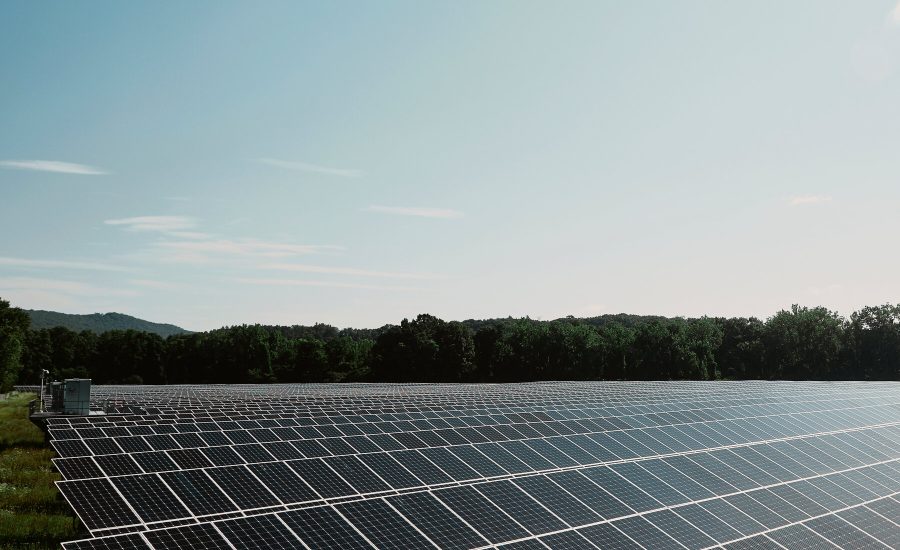
In an era where energy independence and environmental sustainability have moved from the “nice-to-have” category to global priorities, solar power has emerged as the leading solution for homeowners and businesses alike. As we move through 2026, the technology has become more efficient, affordable, and accessible than ever before.
But for most people, looking up at those sleek black panels on a neighbor’s roof still feels a bit like looking at magic. How does a silent, stationary piece of glass and silicon turn a sunny Tuesday afternoon into the power needed to run a refrigerator, charge an electric vehicle, or binge-watch a favorite series?
This comprehensive guide breaks down the complex science of solar energy into simple, digestible steps. Whether you are considering an installation for your home or are just curious about the renewable energy revolution, here is everything you need to know about how solar panels work.
For more informative articles related to “Solar Energy and the Environment: What You Need to Know”
1. The Heart of the System: What is a Solar Panel?
At its simplest, a solar panel (also known as a photovoltaic or PV module) is a device that captures energy from the sun and converts it into electricity.
A single solar panel is actually a collection of many smaller units called solar cells. Most residential panels contain 60, 72, or 120 cells. These cells are primarily made of silicon, a semiconductor that is the second most abundant element on Earth.
To protect these delicate cells from the elements—like the 25 years of rain, wind, and hail they are expected to endure—they are sandwiched between a protective glass sheet on the front and a durable backsheet, all held together by a sturdy aluminum frame.
2. The Science: How the Photovoltaic Effect Works
To understand solar power, we have to look at the subatomic level. The process of turning light into electricity is called the photovoltaic effect.
The Silicon Sandwich
Each solar cell consists of two layers of silicon. To create an electric field, manufacturers “dope” these layers with other elements:
- The N-type (Negative) layer: Infused with phosphorus, which provides extra electrons.
- The P-type (Positive) layer: Infused with boron, which creates “holes” (a lack of electrons).
When these two layers are placed together, an electric field forms at the junction. This field acts like a one-way gate for electrons.
The Knockout Punch
Sunlight is made of tiny packets of energy called photons. When these photons strike the solar cell, they transfer their energy to the electrons in the silicon. If the photon has enough energy, it knocks an electron loose.
Because of the internal electric field we mentioned earlier, these loose electrons are forced to move in a specific direction toward metal conductive plates. This organized flow of electrons is exactly what electricity is: current.
3. Step-by-Step: From Sunlight to Your Socket
The journey from a sunbeam to your toaster involves four primary stages:
Step 1: Absorption
The solar panels installed on your roof or on a ground mount capture sunlight. Even on cloudy days, diffuse light reaches the panels, though the energy production is lower than on a clear, bright day.
Step 2: Generation
The photovoltaic effect takes place within the cells, generating Direct Current (DC) electricity. This is the same type of power stored in batteries, where electricity flows in one single direction.
Step 3: Conversion
Most modern homes and the national power grid operate on Alternating Current (AC). Since panels produce DC, the electricity must pass through an inverter. This device is the “brain” of the system, converting the DC power into the AC power your appliances need.
Step 4: Distribution
The AC electricity flows from the inverter to your home’s electrical breaker panel. From there, it is distributed to your lights, computers, and appliances. If your panels are producing more than you are using, the excess is either stored in a solar battery or sent back to the utility grid.
4. Types of Solar Panels: Mono, Poly, and Thin-Film
Not all solar panels are created equal. Depending on your roof size, budget, and aesthetic preference, you will likely choose one of these three main types:
| Feature | Monocrystalline | Polycrystalline | Thin-Film |
| Efficiency | High (19%−24%) | Moderate (15%−18%) | Lower (7%−15%) |
| Appearance | Uniform Black | Speckled Blue | Smooth/Flexible |
| Cost | Premium | Affordable | Varies (often cheaper) |
| Space Required | Least (High density) | Moderate | Most |
| Durability | Longest (25+ years) | High | Shorter |
Monocrystalline Panels
Made from a single, pure crystal of silicon, these are the most efficient and space-saving panels. They are easily recognized by their dark black color and are the standard for residential rooftops in 2026.
Polycrystalline Panels
These are made by melting multiple silicon crystals together. While slightly less efficient than “mono” panels, they are generally cheaper to produce and remain a solid choice for large-scale installations where space isn’t an issue.
Thin-Film Panels
Rather than using rigid silicon wafers, thin-film panels are made by layering photovoltaic material onto glass, plastic, or metal. They are lightweight and flexible, making them perfect for curved surfaces or portable applications, though they require significantly more space to generate the same amount of power.
5. Beyond the Panels: Essential System Components
A “solar system” is much more than just the glass rectangles on your roof. To function safely and efficiently, several other components are required:
The Inverter
As mentioned, this converts DC to AC. There are three main types:
- String Inverters: One central box that handles the power from all panels.
- Microinverters: Tiny inverters attached to each individual panel, allowing them to operate independently.
- Power Optimizers: A hybrid system that optimizes DC power at the panel level before sending it to a central inverter.
Racking and Mounting
This is the hardware that attaches your panels to your roof. It is engineered to withstand high winds and is usually tilted at a specific angle to maximize sun exposure based on your latitude.
Solar Battery (Optional but Recommended)
In 2026, many homeowners are adding batteries (like the Tesla Powerwall or similar) to store excess energy generated during the day for use at night or during power outages.
Performance Monitoring
Most modern systems come with a mobile app that allows you to see in real-time how much energy your panels are producing and how much your home is consuming.
6. Solar Performance: Weather, Shading, and Nighttime
One of the most common questions beginners ask is: “What happens when the sun goes away?”
Cloudy and Rainy Days
Solar panels do not need “heat”—they need “light.” While they are most efficient in direct sunlight, they can still produce electricity using diffuse light (light scattered by clouds). On a very cloudy day, a system might produce 10% to 25% of its typical output. Interestingly, rain actually helps performance by washing away dust and bird droppings that can block light!
Shading
Shading is the “kryptonite” of solar panels. If a tree or chimney casts a shadow over just one part of a panel, it can significantly drop the output of the entire string. This is why site assessments and the use of microinverters are so important.
Nighttime
Solar panels do not produce power at night. To keep your lights on after sunset, you have two options:
- The Grid: Most solar homes are “grid-tied,” meaning they pull power from the utility company at night.
- Batteries: If you have a battery backup, your home will run off the energy you “saved” during the day.
7. Economic and Environmental Benefits in 2026
Why are millions making the switch? The incentives have never been stronger.
Financial Savings
- Eliminated Electric Bills: By generating your own power, you can reduce your monthly utility bill to near zero.
- Net Metering: In many regions, the utility company will actually pay you or give you credits for the extra electricity you send back to the grid.
- Increased Property Value: Homes with solar panels sell for a premium—often increasing home value by 4% or more.
Environmental Impact
- Carbon Footprint: Solar is a clean, emissions-free energy source. The average residential system offsets approximately 100,000 pounds of carbon dioxide over 20 years.
- Water Conservation: Unlike coal or nuclear plants, solar panels require virtually no water to generate electricity.
8. Installation 101: What to Expect
If you decide to go solar, the process is generally hands-off for the homeowner:
- Site Assessment: An engineer checks your roof’s condition, orientation (South-facing is best in the Northern Hemisphere), and shading.
- Design and Permitting: The company creates a custom blueprint for your system and handles the local government permits.
- The Big Day: The actual installation of the racking and panels usually takes only 1 to 2 days.
- Inspection and Interconnection: A city inspector and the utility company check the work. Once they give the “Permission to Operate” (PTO), you flip the switch!
Conclusion
Solar technology is no longer a futuristic dream—it is a practical, reliable, and financially savvy reality for the modern world. By understanding the simple mechanics of how these panels capture the sun’s limitless energy, you are one step closer to taking control of your energy future.
For any information about How Solar Panels Work: A Beginner’s Guide
9. Frequently Asked Questions (FAQs)
Q: How long do solar panels last? A: Most panels come with a 25-year warranty, but they can continue producing electricity for 30 to 40 years, albeit at a slightly lower efficiency.
Q: Do I need to replace my roof before getting solar? A: If your roof is more than 10–15 years old or in poor condition, it is highly recommended to replace it before installation. Removing and re-installing panels later can be expensive.
Q: Is maintenance difficult? A: No. Since there are no moving parts, maintenance is minimal. Most homeowners simply let the rain clean their panels or hose them down a couple of times a year.
Q: Can solar power my house during a blackout? A: Only if you have a battery backup or a specialized inverter. For safety reasons, standard grid-tied systems shut off during a blackout to prevent “backfeeding” electricity into the lines while workers are fixing them.
Q: Are there still government tax credits available? A: Yes, many countries and local governments provide significant tax incentives (like the Federal ITC in the USA) that can cover 30% or more of the total system cost.


”&media=https://sunlightsolarenergy.clixurasolution.com/wp-content/uploads/2026/02/04cli-renewables-blockade-fctm-mediumSquareAt3X.jpg)
[…] How Solar Panels Work: A Complete Beginner’s Guide […]