

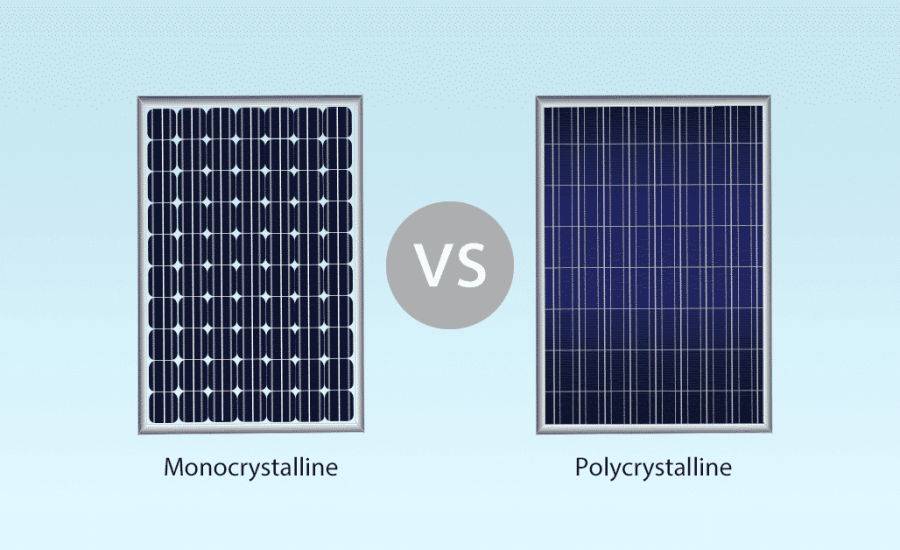
Solar energy has become one of the most popular and sustainable sources of energy worldwide. As governments, businesses, and households embrace renewable energy, the demand for solar panels has surged. Among the most common types of solar panels are monocrystalline and polycrystalline panels. Choosing between these two types is essential because it impacts efficiency, cost, longevity, and overall energy output.
In this comprehensive guide, we will break down monocrystalline vs polycrystalline solar panels in detail, comparing performance, cost, lifespan, and more to help you make an informed decision.
What Are Solar Panels?
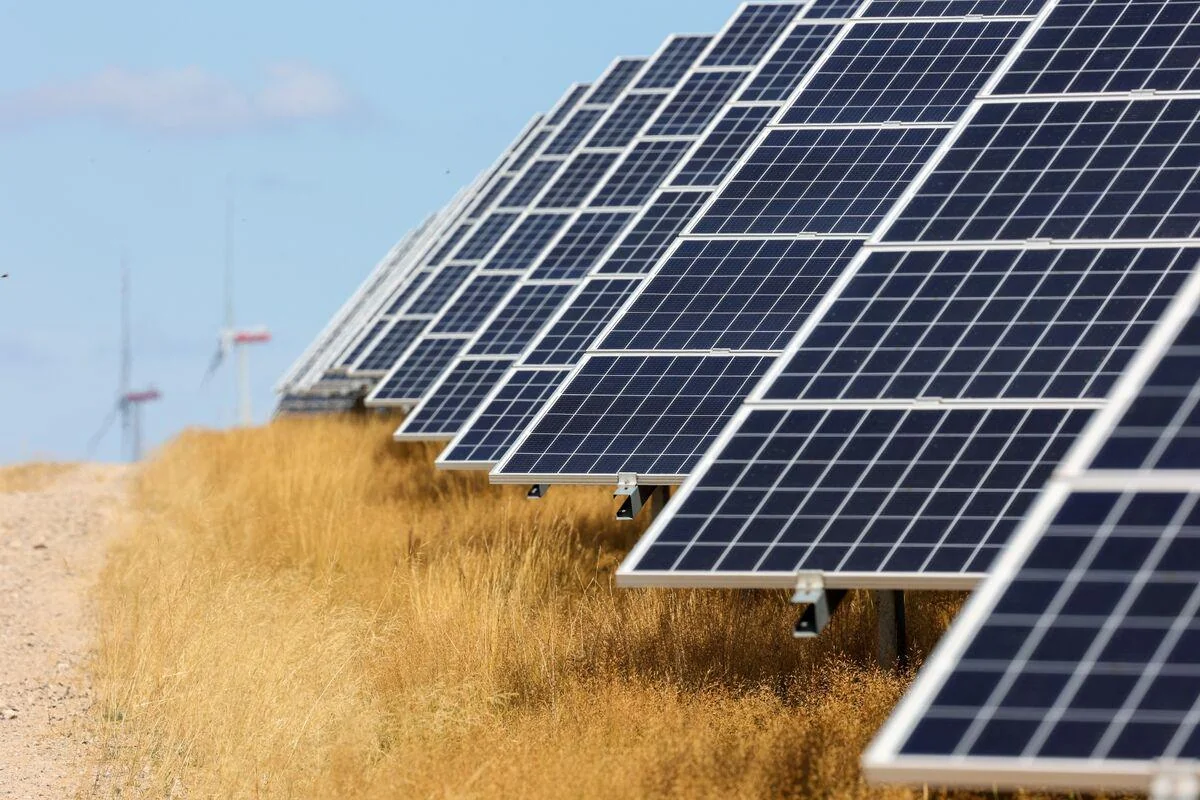
Solar panels, also known as photovoltaic (PV) panels, convert sunlight into electricity. They are made of solar cells that capture sunlight and generate direct current (DC) electricity, which is then converted to alternating current (AC) by an inverter for household or commercial use.
Solar panels can significantly reduce electricity bills, increase energy independence, and lower carbon emissions, making them a popular investment for homes and businesses.
Types of Solar Panels
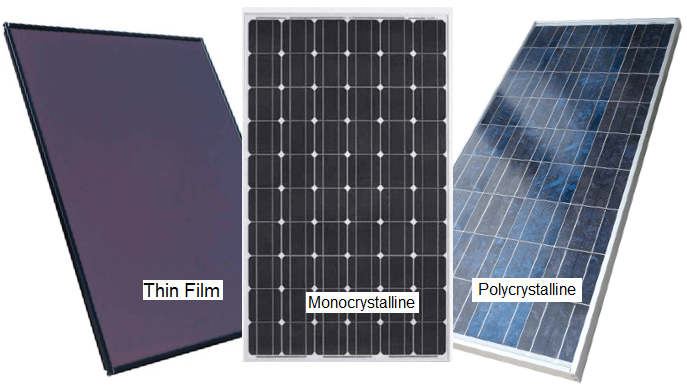
There are three main types of solar panels:
- Monocrystalline Solar Panels
- Polycrystalline Solar Panels
- Thin-Film Solar Panels
Among these, monocrystalline and polycrystalline are the most widely used due to their durability, efficiency, and suitability for residential and commercial solar systems.
Monocrystalline Solar Panels
What Are Monocrystalline Solar Panels?
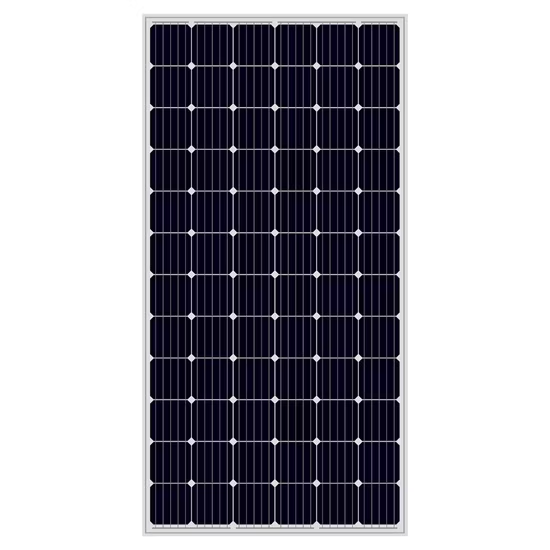
Monocrystalline solar panels are made from a single, pure silicon crystal. These panels are usually black in color and have a uniform appearance due to the high-quality silicon used.
They are known for high efficiency and long lifespan, making them a premium choice for solar energy systems.
Advantages of Monocrystalline Solar Panels
- High Efficiency
Monocrystalline panels typically have efficiency rates of 18–22%, meaning they convert more sunlight into electricity compared to other panels. - Space Efficiency
Because of their higher efficiency, monocrystalline panels produce more power in a smaller area. Ideal for rooftops with limited space. - Longevity
These panels can last 25–30 years or more with proper maintenance. - Performance in Low Light
They perform better in cloudy or low-light conditions due to high-quality silicon. - Aesthetic Appeal
Black, sleek design makes them visually appealing on rooftops.
Disadvantages of Monocrystalline Solar Panels
- Higher Cost
Monocrystalline panels are more expensive because of the refined silicon used in manufacturing. - Manufacturing Waste
The production process involves cutting cylindrical silicon ingots, which generates waste material.
Polycrystalline Solar Panels
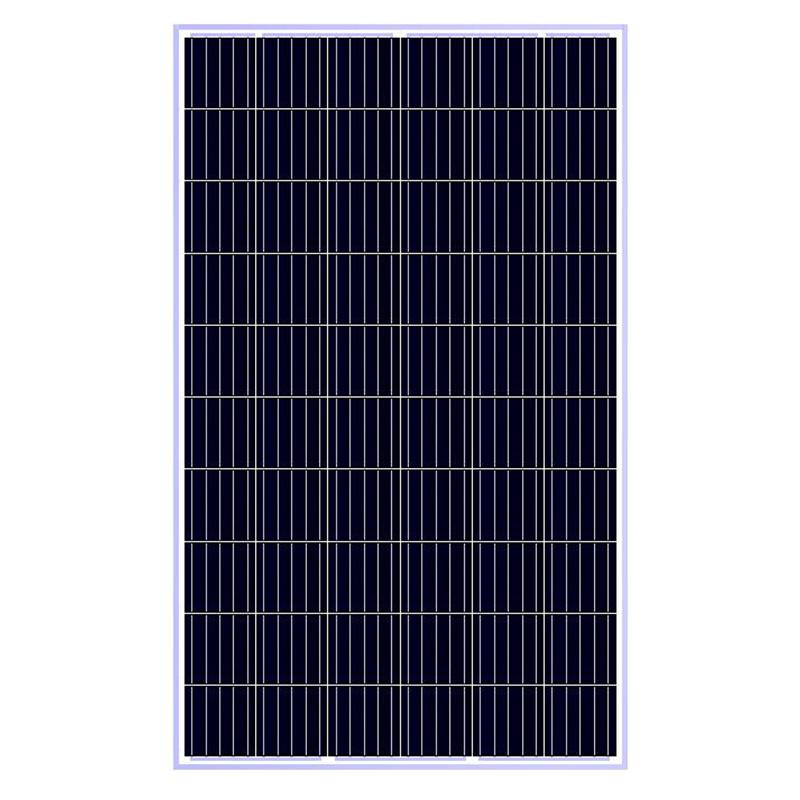
What Are Polycrystalline Solar Panels?
Polycrystalline solar panels are made from multiple silicon crystals melted together. They are usually blue in color and have a slightly speckled appearance due to the mix of silicon crystals.
They are more budget-friendly than monocrystalline panels and are widely used in residential and commercial installations.
Advantages of Polycrystalline Solar Panels
- Lower Cost
Polycrystalline panels are cheaper due to a simpler manufacturing process. - Environmental Friendliness
Less silicon waste is produced during manufacturing compared to monocrystalline panels. - Reliable Performance
Suitable for large-scale solar farms and residential systems where space is not limited.
Disadvantages of Polycrystalline Solar Panels
- Lower Efficiency
Efficiency ranges from 15–17%, lower than monocrystalline panels. - Space Requirement
They require more roof area to generate the same power output as monocrystalline panels. - Slightly Shorter Lifespan
Typically last 20–25 years, slightly less than monocrystalline panels.
Solar energy is going to power the world much sooner than you think in 2026
Monocrystalline vs Polycrystalline: Detailed Comparison
| Feature | Monocrystalline | Polycrystalline |
|---|---|---|
| Efficiency | 18–22% | 15–17% |
| Cost | Higher | Lower |
| Appearance | Black, sleek | Blue, speckled |
| Space Requirement | Less | More |
| Lifespan | 25–30 years | 20–25 years |
| Performance in Low Light | Better | Moderate |
| Manufacturing Waste | Higher | Lower |
Which Solar Panel Type Should You Choose?
The choice depends on your budget, roof space, and energy needs.
Choose Monocrystalline If:
- You have limited roof space
- You want maximum energy output
- Aesthetic appearance is important
- You are willing to invest more upfront for higher efficiency
Choose Polycrystalline If:
- You have ample roof space
- Your priority is lower upfront cost
- You are installing a large-scale solar farm
- Slightly lower efficiency is acceptable
Cost Comparison
Monocrystalline solar panels cost 15–20% more than polycrystalline panels.
For example:
- A 300W monocrystalline panel: $250–$350
- A 300W polycrystalline panel: $200–$280
Although the initial cost is higher, monocrystalline panels may offer better long-term savings due to higher efficiency and more electricity production over time.
Lifespan and Durability
- Monocrystalline: 25–30 years
- Polycrystalline: 20–25 years
Both types are durable and can withstand weather conditions like rain, wind, and snow. Monocrystalline panels tend to maintain efficiency slightly better over the years.
Efficiency and Power Output
Monocrystalline panels convert sunlight into electricity more efficiently, making them ideal for areas with limited roof space or lower sunlight availability.
Polycrystalline panels require more surface area for the same power output but are sufficient for large-scale installations with plenty of space.
Performance in Different Weather Conditions
- High Heat: Monocrystalline panels perform slightly better in high temperatures.
- Low Light: Monocrystalline panels generate more electricity under cloudy or shaded conditions.
- Durability: Both types are reliable, but monocrystalline panels generally degrade slower.
Installation Considerations
- Roof Size: Monocrystalline panels require less space for equivalent output.
- Cost: Polycrystalline panels reduce upfront cost for larger installations.
- Maintenance: Both panels require minimal maintenance, mainly cleaning dust or debris.
Environmental Impact
- Monocrystalline: Slightly higher silicon waste during production.
- Polycrystalline: Less waste, environmentally friendlier to manufacture.
Applications of Monocrystalline and Polycrystalline Panels
Monocrystalline Applications:
- Residential rooftops
- Commercial buildings with limited space
- Off-grid solar systems
- Solar-powered appliances
Polycrystalline Applications:
- Large-scale solar farms
- Residential rooftops with ample space
- Commercial and industrial solar installations
Future Trends in Solar Panel Technology
- Bifacial Panels: Capture sunlight on both sides for higher efficiency.
- PERC Technology: Improves monocrystalline panel efficiency.
- Flexible Panels: Lightweight, suitable for unique applications.
- Recycling Efforts: Reduce silicon waste and improve environmental sustainability.
Both monocrystalline and polycrystalline panels continue to evolve with new technologies to improve efficiency, reduce cost, and enhance durability.
Conclusion: Monocrystalline vs Polycrystalline Solar Panels
Choosing between monocrystalline and polycrystalline solar panels depends on your space, budget, and energy needs.
- Monocrystalline: Best for limited space, higher efficiency, long lifespan, and premium performance.
- Polycrystalline: Best for budget-conscious buyers, large-scale installations, and available roof space.
Both types are reliable, environmentally friendly, and provide substantial energy savings. As solar technology advances, efficiency and affordability are expected to improve, making solar energy more accessible to everyone.
Investing in solar panels is not only a financial decision but also a step toward sustainable living and reducing your carbon footprint.
For more update about Monocrystalline vs. Polycrystalline solar panels
Frequently Asked Questions (FAQs)
1. What is the difference between monocrystalline and polycrystalline solar panels?
Monocrystalline panels are made from a single silicon crystal and are more efficient, while polycrystalline panels are made from multiple silicon crystals and are more affordable.
2. Which solar panel type is more efficient?
Monocrystalline solar panels are generally more efficient, with efficiency rates of 18–22%, compared to 15–17% for polycrystalline panels.
3. Which type lasts longer?
Monocrystalline panels typically last 25–30 years, while polycrystalline panels last 20–25 years.
4. Are monocrystalline panels worth the higher cost?
Yes, especially if you have limited roof space or want maximum energy output. Over time, higher efficiency can offset the initial investment.
5. Can polycrystalline panels save money?
Yes, they have a lower upfront cost and are suitable for large installations with enough roof space.
6. How do both panels perform in hot climates?
Monocrystalline panels perform slightly better in high temperatures and low-light conditions.
7. Which solar panel is better for residential rooftops?
Monocrystalline panels are better for limited space and aesthetic purposes, while polycrystalline is suitable for larger rooftops.
8. Are polycrystalline panels environmentally friendly?
Yes, polycrystalline panels produce less silicon waste during manufacturing than monocrystalline panels.
9. Can both panel types be used together in a solar system?
Technically yes, but it’s recommended to use the same panel type for system consistency and optimal performance.
10. What is the average cost per watt for each type in 2026?
- Monocrystalline: $0.80–$1.10 per watt
- Polycrystalline: $0.60–$0.90 per watt


[…] figures depend on your energy usage, electricity tariff, and system size.Want to know about Monocrystalline vs Polycrystalline Solar […]