

Solar energy is one of the most reliable and sustainable energy sources today. Many homeowners and businesses invest in solar panels to reduce electricity bills and lower their carbon footprint. But one common question arises: “How long do solar panels last?”
Understanding the lifespan of solar panels, how they degrade over time, and proper maintenance is crucial for maximizing your investment. This guide provides a detailed overview of solar panel longevity, performance factors, and maintenance strategies.
What Determines the Lifespan of Solar Panels?
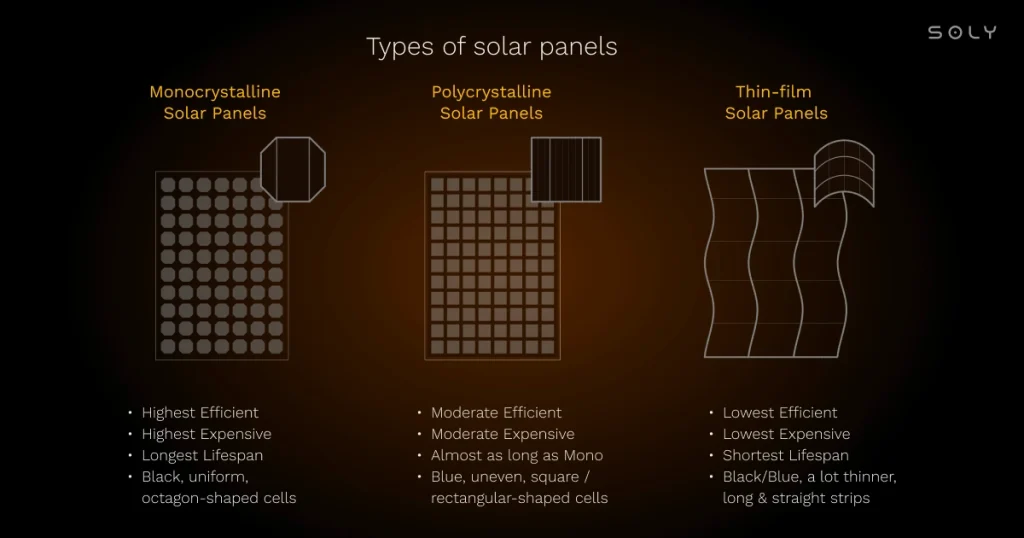
Solar panels are designed to be durable and long-lasting, but several factors influence their lifespan:
- Type of Solar Panel
- Monocrystalline: Typically lasts 25–30+ years. High efficiency and slow degradation.
- Polycrystalline: Usually 20–25 years. Slightly lower efficiency but still reliable.
- Thin-Film: Around 15–20 years. Flexible but less efficient.
- Quality of Materials
Higher-quality silicon, frames, and glass contribute to longer lifespan. - Manufacturing Standards
Panels from reputable manufacturers with warranties generally last longer. - Environmental Conditions
- Extreme heat, cold, or humidity can accelerate degradation.
- Areas with heavy snowfall or high winds require stronger mounting.
- Maintenance Practices
Regular cleaning, inspections, and repairs extend panel life.
Average Lifespan of Solar Panels
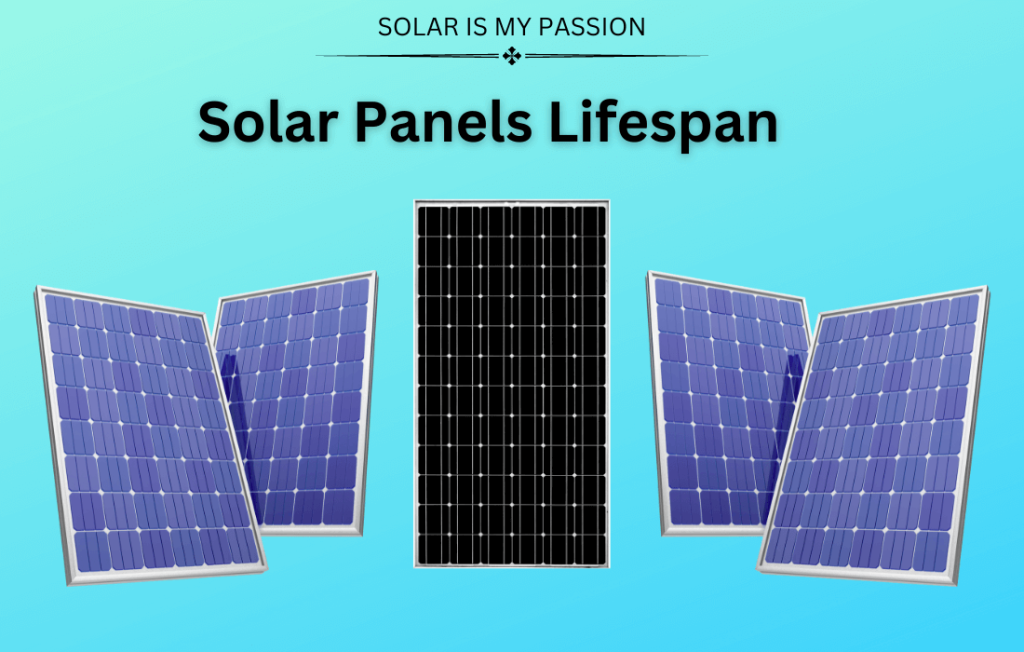
On average, solar panels are guaranteed to last 25 years, though they can continue producing electricity beyond this period.
Breakdown:
| Solar Panel Type | Average Lifespan | Efficiency Retention After 25 Years |
|---|---|---|
| Monocrystalline | 25–30+ years | 80–90% |
| Polycrystalline | 20–25 years | 75–85% |
| Thin-Film | 15–20 years | 70–80% |
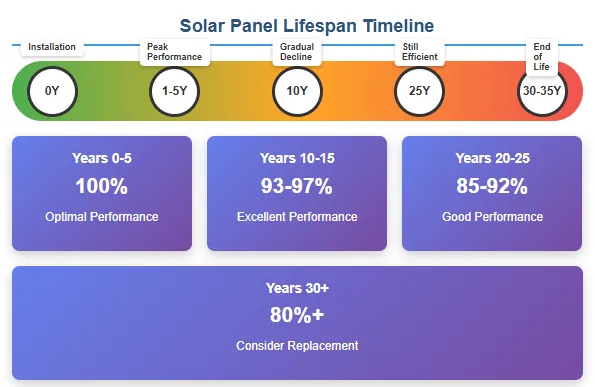
Note: Efficiency gradually declines over time, typically 0.5% to 1% per year.
Solar Panel Degradation
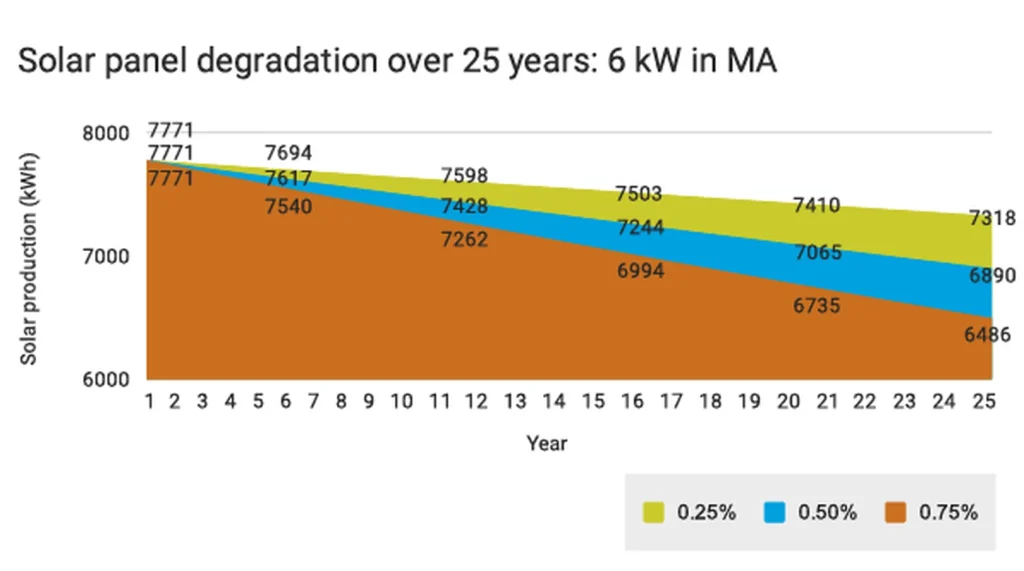
Solar panels degrade slowly due to natural wear and environmental factors.
Key Points:
- Annual Degradation Rate: 0.5%–1% per year is typical for most quality panels.
- Impact: A panel that produces 300W when new may produce ~270–285W after 25 years.
- Warranty: Most manufacturers offer 25-year performance warranties, guaranteeing a minimum of 80% efficiency after 25 years.
Factors That Affect Solar Panel Longevity
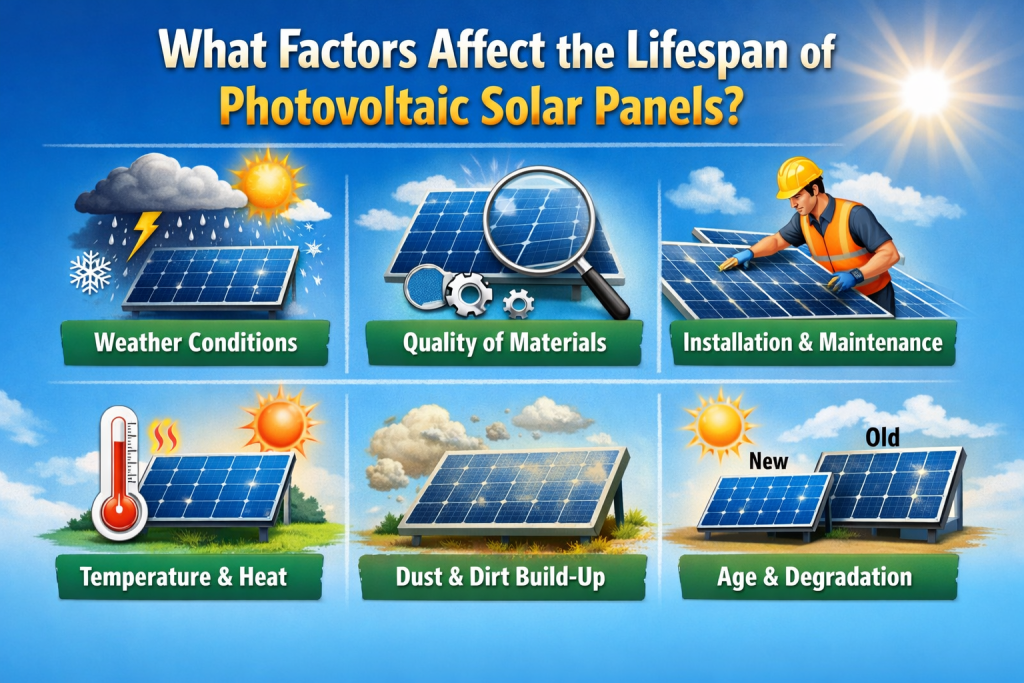
1. Weather & Climate
- High heat can reduce efficiency slightly over time.
- Hail, heavy rain, and strong winds can damage panels if not properly mounted.
2. Installation Quality
- Poorly installed panels may develop micro-cracks or loose wiring.
- Correct orientation and tilt affect long-term performance.
3. Panel Type and Brand
- Premium monocrystalline panels degrade slower than cheap polycrystalline panels.
- Reputable brands often provide longer warranties and consistent performance.
4. Dust, Dirt, and Debris
- Accumulation on the surface reduces sunlight absorption.
- Cleaning is necessary to maintain efficiency.
Maintenance Tips to Extend Solar Panel Life
Proper maintenance is key to maximizing the lifespan of solar panels.
1. Regular Cleaning
- Clean panels every 3–6 months, more often in dusty or polluted areas.
- Use soft water and a sponge or microfiber cloth. Avoid harsh chemicals.
2. Inspect for Damage
- Check for cracks, loose connections, or corrosion.
- Address minor issues before they escalate.
3. Monitor Energy Output
- Use a monitoring system to track daily and monthly energy production.
- Sudden drops in output may indicate panel issues.
4. Trim Nearby Trees
- Prevent shading from branches or leaves. Even partial shading reduces efficiency significantly.
5. Check Inverter and Wiring
- Inverters usually last 10–15 years; may require replacement.
- Ensure wiring is secure and free from wear and tear.
6. Professional Inspection
- Schedule an annual professional check to assess panel condition, mounting integrity, and electrical connections.
Signs Your Solar Panels May Need Attention
- Sudden Drop in Energy Output – Could indicate damage or dirty panels.
- Physical Damage – Cracks, chips, or corrosion on panels or frame.
- Faulty Inverter Alerts – Inverters are essential for converting DC to AC.
- Loose or Damaged Wiring – May cause safety hazards.
Myths About Solar Panel Lifespan
- “Solar panels stop working after 25 years” – False. They produce electricity beyond 25 years, just at slightly lower efficiency.
- “Panels need constant maintenance” – False. Minimal maintenance is needed, mainly cleaning and inspections.
- “High temperatures drastically reduce lifespan” – False. Panels are designed to operate in hot conditions, though efficiency may slightly decline.
Common Mistakes to Avoid When Installing Solar Panels
Increasing Solar Panel Longevity
1. Choose High-Quality Panels
Invest in panels with proven efficiency and longevity records. Brands offering performance warranties of 25 years or more are preferred.
2. Optimal Installation
Correct tilt, orientation, and secure mounting ensure long-term structural integrity.
3. Use Monitoring Systems
Real-time monitoring can detect performance drops early.
4. Preventive Maintenance
Scheduled cleaning and inspections prevent efficiency losses and extend lifespan.
5. Invest in Surge Protection
Protect panels from lightning and electrical surges, especially in storm-prone areas.
Typical Solar Panel Lifespan by Environment
| Environment | Expected Lifespan | Notes |
|---|---|---|
| Mild Climate | 25–30+ years | Ideal for most monocrystalline panels |
| Hot Climate | 25 years | Slight efficiency drop; heat-resistant panels recommended |
| Cold/Snowy Climate | 25+ years | Stronger mounting needed to withstand snow load |
| Coastal Areas | 20–25 years | Salt corrosion possible; corrosion-resistant frames recommended |
Conclusion
So, how long do solar panels last?
- Most solar panels have a guaranteed lifespan of 25 years, but they can operate for 30 years or more with reduced efficiency.
- Factors like panel type, installation quality, maintenance, and environmental conditions play a major role.
- Regular maintenance, monitoring, and high-quality panels can maximize energy output and longevity.
Investing in solar panels is a long-term decision. With proper care, a solar system can provide decades of renewable energy and financial savings, making it a smart investment for homes and businesses alike.
For more update about How long do solar panels last?
Frequently Asked Questions (FAQs)
1. How long do solar panels usually last?
Most solar panels last 25–30 years, with efficiency gradually decreasing over time.
2. Do solar panels stop working after 25 years?
No, they continue to produce electricity, usually at 80% or more efficiency.
3. How can I extend the life of my solar panels?
Regular cleaning, inspections, proper installation, and using high-quality panels increase longevity.
4. Do monocrystalline panels last longer than polycrystalline?
Yes, monocrystalline panels typically last longer and degrade slower.
5. How often should solar panels be cleaned?
Every 3–6 months, or more frequently in dusty or polluted areas.
6. Can extreme weather damage solar panels?
Panels are designed to withstand harsh weather, but extreme hail, wind, or snow may require reinforced mounting.
7. Does panel efficiency decrease over time?
Yes, panels lose 0.5–1% efficiency per year on average.
8. Do inverters affect panel lifespan?
Inverters last 10–15 years and may require replacement; the panels themselves can outlast the inverter.
9. Are solar panels recyclable after their lifespan?
Yes, many components can be recycled, including glass, aluminum frames, and silicon cells.
10. Is professional maintenance necessary for longevity?
While minimal maintenance is required, professional inspections every 1–2 years are recommended for optimal performance.


&media=https://sunlightsolarenergy.clixurasolution.com/wp-content/uploads/2026/02/83ca9bdfd556551deb9fecc74a4df8a3eb612f07-800x600-1.avif)
[…] How Long Do Solar Panels Last? […]