

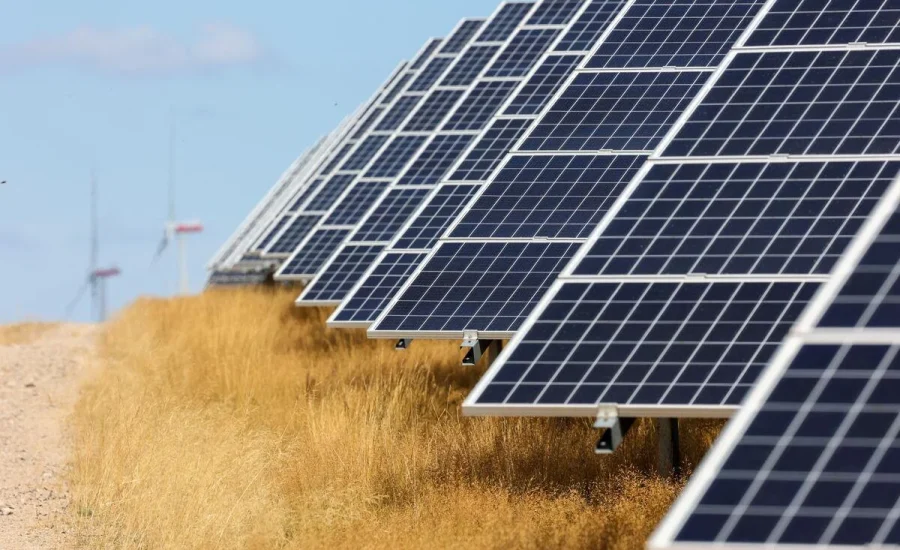
A Solar Revolution Is Coming
Solar energy is no longer just an alternative — it’s becoming the primary source of electricity worldwide. Advances in solar technology, declining costs, and global policies favoring green energy are accelerating the shift toward a solar-powered world.
Imagine a future where cities, industries, and homes are powered primarily by sunlight. This future is closer than many think, thanks to smart solar solutions, large-scale solar farms, and innovative energy storage technologies.
In this blog, we’ll explore why solar energy is set to dominate the global energy market, how it’s transforming industries, and what it means for businesses and households in 2026 and beyond.
Why Solar Energy Will Dominate Sooner Than Expected
1. Rapidly Falling Costs
The cost of solar panels has dropped by more than 80% over the last decade. Solar technology is now more affordable for households, businesses, and governments. This price reduction makes solar electricity competitive with fossil fuels, even without subsidies.
2. Technological Advances
Modern solar panels are more efficient, converting more sunlight into electricity. Innovations include:
- Bifacial panels capturing sunlight from both sides
- Perovskite solar cells with higher efficiency rates
- Floating solar farms that conserve land
3. Global Policy Support
Countries worldwide are promoting renewable energy with incentives:
- Tax credits for solar installations
- Grants for solar research and development
- Mandates for renewable energy adoption in urban planning
This policy push accelerates solar adoption and investment in infrastructure.
4. Energy Storage Breakthroughs
Battery technologies are improving, making it easier to store solar energy for night-time or cloudy days. Large-scale batteries ensure continuous electricity supply, making solar more reliable than ever.
Also Energy Transition: Where Are We Headed in 2026?
Solar Energy’s Impact on Homes and Businesses
1. For Homes
Installing solar panels can:
- Reduce monthly electricity bills
- Increase property value
- Provide backup power during outages
Smart solar systems allow homeowners to monitor energy use in real time and optimize consumption.
2. For Businesses
Companies can benefit from:
- Lower operational costs
- Green branding that attracts eco-conscious consumers
- Independence from fluctuating energy prices
Large corporations are investing in corporate solar farms to power manufacturing, logistics, and offices sustainably.
Global Solar Trends: 2026 and Beyond
1. Solar Farms Are Expanding
Countries like China, the US, India, and Germany are building mega solar farms generating gigawatts of electricity. These farms can power millions of homes and reduce dependency on coal and natural gas.
2. Solar-Powered Cities
Urban centers are integrating solar panels into:
- Rooftops of commercial buildings
- Public transport facilities
- Streetlights and smart grids
This approach transforms cities into sustainable energy hubs.
3. Floating Solar Panels
Floating solar farms on lakes and reservoirs save land and reduce evaporation, making them ideal for dense urban regions.
4. Off-Grid Solar Solutions
Remote communities can now access electricity without connecting to a national grid. Off-grid solar systems empower rural areas, schools, hospitals, and small businesses.
The Environmental Impact of Solar Energy
Switching to solar energy reduces:
- Greenhouse gas emissions
- Air pollution from fossil fuels
- Dependency on finite resources like coal and oil
By 2030, widespread solar adoption could significantly lower global carbon emissions, helping fight climate change.
Challenges to Solar Energy Growth
Despite progress, solar energy faces some hurdles:
1. Initial Investment
While costs are falling, installing solar panels requires upfront capital. Financing solutions, leases, and government incentives can help overcome this barrier.
2. Weather Dependence
Solar energy depends on sunlight. Energy storage solutions and hybrid systems are crucial to maintain consistent power.
3. Space Requirements
Large solar farms need significant land or rooftop space. Innovative solutions like floating solar or building-integrated photovoltaics help mitigate space limitations.
How Businesses Can Prepare for a Solar-Powered Future
- Invest in Solar Panels – Both rooftop and ground-mounted systems reduce energy costs.
- Use Smart Solar Solutions – Monitor energy usage and optimize operations.
- Plan for Energy Storage – Ensure continuous supply during nights or cloudy days.
- Leverage Incentives – Apply for government grants, tax benefits, and renewable energy programs.
- Promote Sustainability – Showcase solar adoption in marketing to attract customers and investors.
Conclusion:
The Solar-Powered World Is Near
Solar energy is poised to power the world much sooner than expected. Falling costs, technological breakthroughs, policy support, and energy storage solutions are driving a rapid transition.
For households, solar panels mean lower bills and energy independence. For businesses, solar power reduces costs, improves branding, and attracts investors. Globally, solar energy is helping combat climate change and create a sustainable future.
By 2026 and beyond, a solar-powered world is not a distant dream — it’s a near-future reality that is ready to reshape energy, business, and daily life.
Want to Know about Why Solar Solutions Are Key in 2026


[…] Solar energy is going to power the world much sooner than you think in 2026 […]