
Why Solar Solutions Are Key in 2026
In 2026, businesses are looking for smart and sustainable ways to grow. One of the fastest-growing solutions is solar energy. Using smart solar solutions, companies can save money, reduce their carbon footprint, and improve efficiency. Solar energy is no longer just an eco-friendly choice — it’s a smart business strategy.
Imagine your business reducing electricity bills, improving sustainability, and earning tax incentives — all while powering operations cleanly. That’s the power of solar.
What Are Smart Solar Solutions?
Smart solar solutions combine solar panels with modern technology to maximize efficiency. These include:
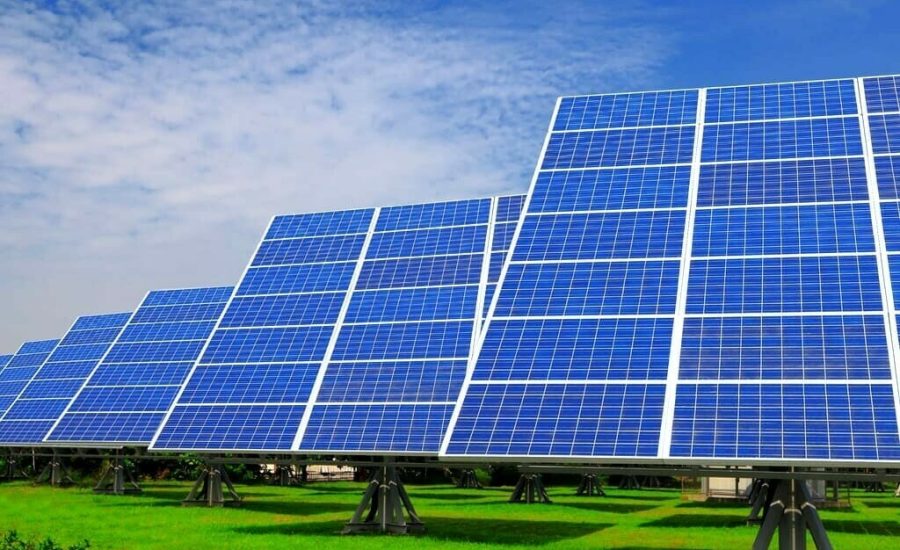
- Solar panels that convert sunlight into electricity
- Smart inverters that optimize energy use
- Battery storage systems to save energy for later use
- Energy monitoring apps that let businesses track power usage
By using these tools, businesses can control energy consumption, reduce costs, and plan for future growth.
Benefits of Smart Solar Solutions for Businesses
1. Reduce Energy Costs
Electricity bills are one of the biggest expenses for companies. Solar energy allows businesses to:
- Produce their own electricity
- Cut dependence on utility companies
- Save thousands of dollars every year
For example, a factory using smart solar panels can reduce monthly electricity costs by up to 50%.
2. Sustainable Business Practices
Sustainability is becoming essential in 2026. Solar energy helps businesses:
- Reduce carbon emissions
- Show commitment to green energy
- Improve brand reputation with eco-conscious consumers
3. Energy Reliability
With battery storage and smart inverters:
- Businesses can store excess energy
- Use it during blackouts or peak hours
- Ensure uninterrupted operations
4. Tax Incentives and Rebates
Many governments offer incentives for businesses adopting solar energy:
- Tax deductions
- Grants for solar installations
- Reduced energy tariffs
These incentives can significantly shorten the return on investment (ROI) period.
How Solar Solutions Help Grow Your Business
1. Lower Operational Costs
Less money spent on electricity means more resources for:
- Hiring new staff
- Expanding production
- Marketing and branding
A company can reinvest solar savings to scale operations faster.
2. Boost Brand Reputation
Customers care about sustainability. By adopting smart solar solutions, businesses:
- Gain trust from eco-conscious customers
- Enhance marketing campaigns with green messaging
- Attract partners who value sustainability
3. Attract Investors
Investors in 2026 prefer businesses that adopt sustainable practices. Using solar energy can:
- Show financial responsibility
- Demonstrate long-term planning
- Increase investment opportunities
4. Compliance with Regulations
Governments are increasingly introducing energy efficiency regulations. Solar energy helps businesses:
- Meet environmental standards
- Avoid fines and penalties
- Future-proof operations against regulatory changes
Choosing the Right Solar Solution for Your Business
Step 1: Assess Energy Needs
- Calculate your current electricity consumption
- Identify peak usage hours
- Determine how much energy you want to generate with solar
Step 2: Select Solar Panels
- Monocrystalline panels: Highly efficient, ideal for limited space
- Polycrystalline panels: Cost-effective and reliable
- Thin-film panels: Flexible for unconventional installations
Step 3: Install Smart Inverters
- Convert solar energy to usable electricity
- Track real-time energy production
- Optimize energy efficiency
Step 4: Consider Battery Storage
- Store energy for night-time use
- Reduce dependency on the grid
- Protect against outages
Step 5: Energy Management Software
- Monitor solar output
- Track energy savings
- Predict maintenance needs
Smart Solar Solutions for Different Industries
1. Retail Businesses
- Use solar panels for store lighting and HVAC systems
- Reduce energy costs and enhance customer experience
2. Manufacturing
- Power heavy machinery with solar energy
- Cut electricity bills significantly
3. Offices
- Solar-powered office buildings reduce operating costs
- Improve environmental certifications for LEED and green awards
4. Hospitality
- Hotels and resorts can use solar water heating and electricity
- Promote sustainability to attract eco-conscious travelers
Case Studies: Businesses Thriving with Solar in 2026
Case Study 1: Factory in Karachi
- Installed smart solar panels covering 60% of energy needs
- Reduced electricity costs by 45%
- Reinvested savings into new production lines
Case Study 2: IT Office in Lahore
- Installed rooftop solar panels and battery storage
- Power outages no longer disrupt operations
- Boosted productivity and employee satisfaction
Case Study 3: Hotel in Islamabad
- Solar water heaters and energy-efficient lighting
- Highlighted sustainability in marketing campaigns
- Attracted international clients looking for green accommodation
If you want to learn about Who Is Sanae Takaichi?
Challenges of Implementing Solar Solutions
1. Initial Cost
- Solar installation is expensive upfront
- But ROI is usually 3-7 years depending on usage and incentives
2. Space Requirements
- Large solar arrays need sufficient rooftop or land space
- Businesses must plan space utilization carefully
3. Maintenance
- Panels require occasional cleaning
- Inverters and batteries need monitoring
- Smart solar management systems help reduce issues
4. Weather Dependence
- Solar energy production varies with sunlight
- Battery storage can compensate for cloudy or rainy days
Tips to Maximize Solar Investment in 2026
- Regular Maintenance – Keep panels clean and free from debris
- Upgrade Technology – Use smart inverters and energy monitoring apps
- Combine with Energy Efficiency – LED lighting, smart thermostats, and energy-efficient machinery
- Leverage Incentives – Apply for government rebates, grants, and tax credits
- Educate Staff – Encourage energy-saving practices for maximum ROI
The Future of Smart Solar Solutions
In 2026 and beyond, solar solutions will continue evolving:
- AI-powered solar management – Predicts energy usage and production
- Hybrid systems – Combine solar with wind and battery storage
- Community solar projects – Share energy across neighborhoods and businesses
- IoT integration – Real-time monitoring and control of energy systems
Businesses adopting these innovations early will gain a competitive edge.
Conclusion
Solar Energy as a Growth Strategy
Smart solar solutions are not just eco-friendly; they are profitable and growth-oriented. Businesses in 2026 can:
- Cut energy costs
- Improve sustainability
- Attract customers and investors
- Future-proof operations
By investing in solar panels, smart inverters, battery storage, and energy monitoring systems, companies can grow efficiently while contributing to a greener planet.
Solar energy is more than a utility — it’s a strategic business tool that powers growth, innovation, and long-term success.
For more update 7 New Solar Panel Technology Trends for 2026


[…] Want to Know about Why Solar Solutions Are Key in 2026 […]